What Is a Case Packer? Top Load vs Side Load Basics
Quick answer: A case packer is an end-of-line packaging machine that groups individual products or bundles and places them into a shipping case or carton. The two basic automation choices are top load and side load. A top load case packer places product into the case from above, often with pick-and-place motion. A side load case packer pushes or loads product into the case from the side. The choice is not a brand preference; it is a product-handling and case-format decision.
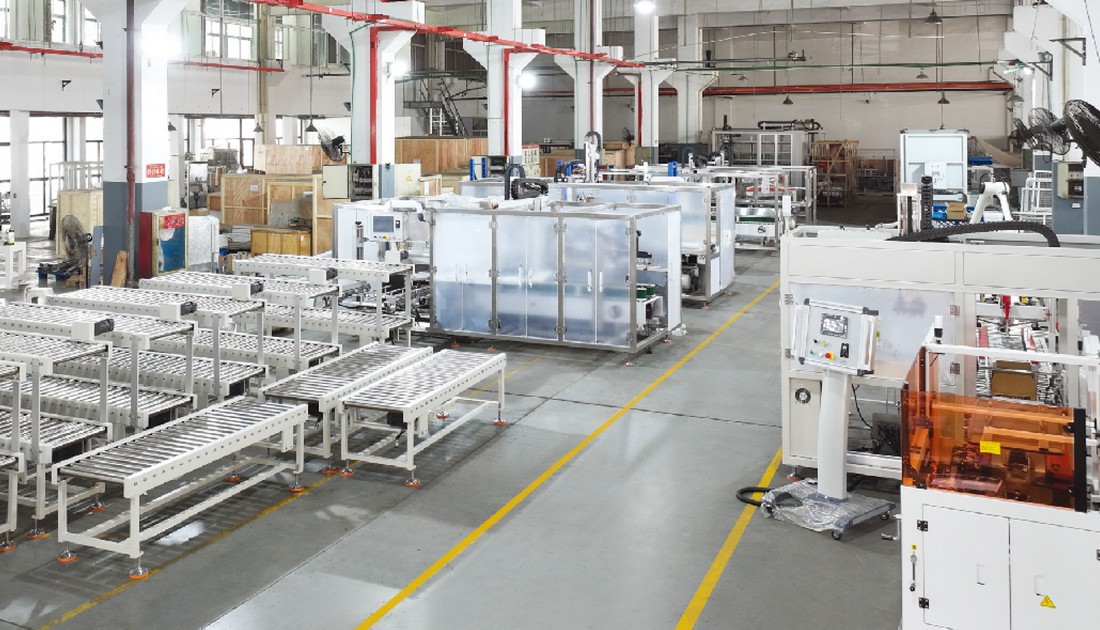
Cover: WIMACH machinery workshop. The article explains the case packer category and the basic difference between top load and side load automation.
Problem Definition: Why Case Packer Definitions Get Confusing
Buyers often meet several overlapping terms in one project: case packer, case packing machine, case packaging machine, cartoner, case erector, and palletizer. The words sound similar, but they describe different jobs. A case packer is best understood by what it does at the end of the line: it groups products and places them into cases or cartons for shipping. Industry definitions describe case packers as essential end-of-line machines that prepare products for shipping, and as automated equipment designed to arrange and pack products into cases or cartons.
The practical confusion is not the label. It is the loading method. Two automatic case packers can look like similar stainless-steel frames, yet one may be built around vertical pick-and-place loading and another around horizontal side pushing. If a buyer compares only the category name, the comparison stays abstract. If the buyer compares how the product enters the case, the decision becomes concrete.
This article uses two WIMACH models as concrete examples: the CP-T60 automatic top load case packer, a top load pick-and-place model, and the CP-S50 automatic side load case packer, a side push/side load model. The aim is to define the category in plain language and show how the loading method changes application fit. It is not a ranking of the two models.
Industry Background: Where Case Packers Sit in the Line
A case packer usually sits after primary and secondary packaging, and before sealing, labeling, palletizing, or shipping. It may receive cartons, bundles, bags, bottles, or other product formats, depending on the line. In category terms, case packers are used across food and beverage, pharmaceutical, and industrial goods. The exact fit depends on the product, the case, the pack pattern, and the automation around the machine.
The commercial context is large enough to justify careful selection. Grand View Research valued the global case packing machines market at USD 1.1 billion in 2024, with Asia Pacific accounting for a 37.9% revenue share in the same year. Those figures describe the category, not any single model. For a buyer, the useful point is that case packing is a mature automation category with multiple machine designs, including top load, side load, drop type, and robotic case packer concepts.
Safety is part of the category background, not an afterthought. In North America, ANSI/PMMI B155.1-2023 specifies safety requirements and risk assessment methodologies for packaging and processing machinery. In Europe, EN 415-7:2025 is catalogued as a standard covering cartoning and case packing machines; its applicability should be confirmed for the destination market and the specific machine. At the supplier level, buyers should ask how the safety functions are implemented and tested, not only whether a document exists.
Detailed Solution: How Top Load and Side Load Automation Work
A top load case packer loads from above. In a pick-and-place design, the machine picks the product or bundle and places it into the open case from the top. This loading logic is easy to visualize: the case is presented, the product is lifted, moved, and lowered into position. The CP-T60 is WIMACH’s automatic top load case packer and a top load pick-and-place example. A pick and place case packer is often considered when the product can be handled vertically without losing shape or stability.
A side load case packer loads from the side. In a side push design, the product is pushed horizontally into the case rather than lowered from above. The CP-S50 is WIMACH’s automatic side load case packer and a side push/side load example. A side load case packer is often considered when the product format and case orientation make horizontal transfer the more natural handling method. The machine is still a case packer; the difference is the direction and mechanics of loading.
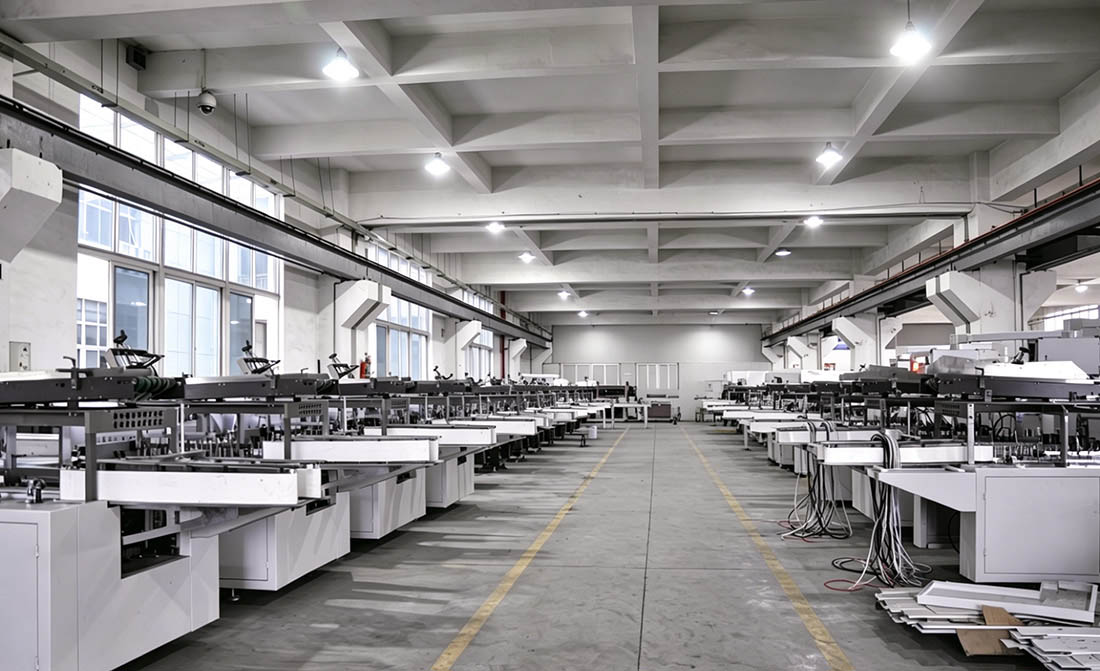
Supporting: WIMACH workshop. Case packers are selected as part of the wider packaging line, not as an isolated machine.
The application fit follows from that basic difference. Top load screening should start with questions such as: can the product be picked and placed without damage, does it hold its shape when lifted, and is the case open and accessible from above? Side load screening should start with: can the product be pushed horizontally without deformation, does the case present a suitable side opening, and does the infeed pattern support a side transfer? These are screening questions, not automatic answers. A tissue case packer, food case packer, beverage case packer, or box case packer project can use either logic, but the final choice depends on the actual product and case.
WIMACH’s own range context is useful here. Wenzhou Wimach Machinery Co., Ltd. (WIMACH) is a China-based packaging machinery manufacturer focused on tissue packing machines and integrated packaging lines. Its published product range includes the CP-S50 automatic side load case packer and the CP-T60 automatic top load case packer. The company also describes solutions for folded tissues, rolled tissues, and blister packaging applications. For a buyer, that means the case packer decision should be made inside the real line context: tissue, paper, blister, or another product format, with the case packer matched to the upstream product and downstream case flow.
Safety basics apply to both loading methods. WIMACH states that all packaging machines are equipped with safety PLCs or safety relays to implement full-range safety interlock points. All safety function tests are completed prior to shipment, with supporting safety operation and maintenance manuals as well as after-sales safety technical support. In plain language, the safety system is not only a stop button. It is a set of interlocked conditions that protect operators during automatic motion, and it should be tested before the machine leaves the factory.
Step-by-Step Breakdown: Screening Top Load vs Side Load
- Define the product format. Write down whether the product is a carton, bundle, bag, bottle, tissue pack, blister pack, or another format. State whether it can be lifted, pushed, or both without damage. This step prevents a machine-type decision from being made before the product is understood.
- Define the shipping case. Confirm the case type, opening, dimensions, and pack pattern. A top load case packer needs a case that can be loaded from above; a side load case packer needs a case and infeed arrangement that support side transfer. If the case is not defined, the loading method cannot be confirmed.
- Map the loading direction. For top load, trace the pick-and-place path from product pick point to case placement point. For side load, trace the side push path from infeed to case. The simpler, more stable path is usually the better starting point.
- Check the automation boundary. Decide what the case packer must do and what upstream or downstream equipment will do. Case erecting, sealing, labeling, inspection, and palletizing may sit outside the case packer scope. A clear boundary avoids comparing two quotes that include different work.
- Review the safety architecture. Ask whether the machine uses safety PLCs or safety relays, how full-range safety interlock points are implemented, and which safety function tests are completed before shipment. Request the safety operation and maintenance manuals and confirm after-sales safety technical support.
- Validate with a sample and acceptance criteria. A model name is not a performance guarantee. Use product samples, case samples, and agreed acceptance criteria to confirm loading, discharge, and safety functions. For WIMACH models, request model-specific details for CP-T60 or CP-S50 rather than assuming that one loading method fits every product.
Use Cases: Where Each Loading Method Fits
Top load pick-and-place logic is often a natural screening direction for products that can be lifted and placed into an open case without losing shape. In a tissue or paper line, for example, the product may be a stable bundle that can be picked and placed. In food and beverage lines, the same logic may apply to cartons, packs, or containers that can be handled vertically. The key question is not the industry name; it is whether the product can tolerate the pick-and-place motion.
Side push/side load logic is often a natural screening direction for products that can be pushed horizontally into a case. This can be relevant when the case opening and infeed pattern favor side transfer, or when the product is better kept in a horizontal path. In pharmaceutical, food, beverage, and industrial goods projects, the side load method should be checked against product stability, case support, and the transfer path. A side load case packer can be a good fit, but only after the product and case are confirmed.
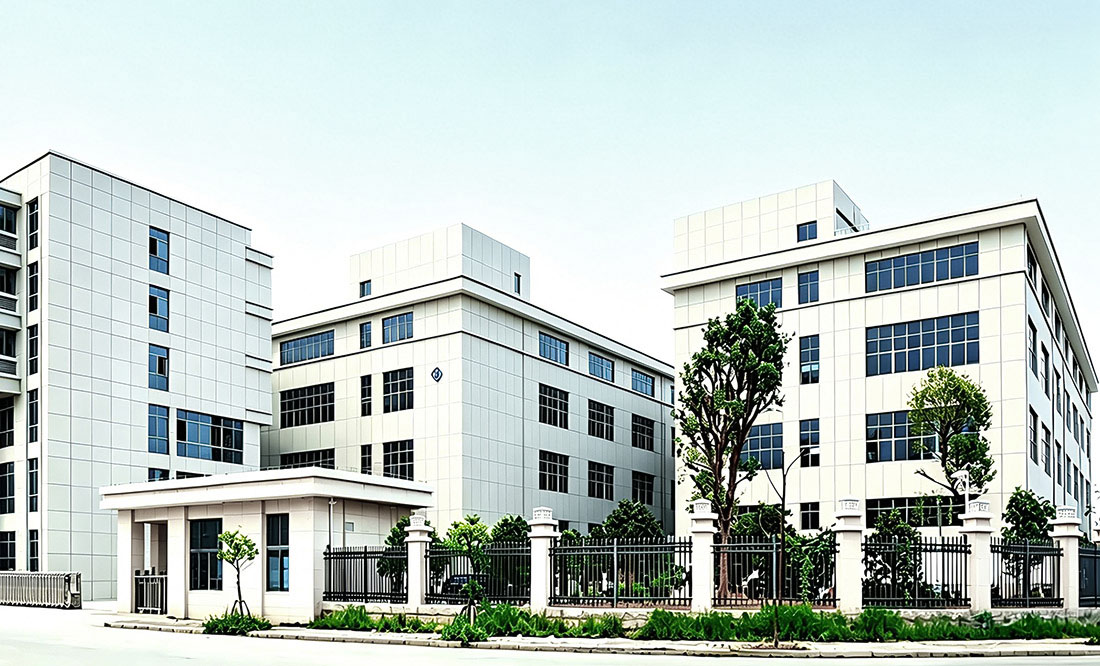
Supporting: WIMACH facility. Buyers should confirm model-specific details for CP-T60 and CP-S50 before comparing offers.
WIMACH’s focus adds a practical filter. Because the company’s core range is built around tissue packing machines and integrated packaging lines, a tissue case packer project may start with tissue-specific product handling questions before the model is chosen. The same applies to folded tissue, rolled tissue, and blister packaging applications. The case packer is one part of the line, and the model should be selected with the upstream product format and downstream case flow in view.
Other case packer categories also exist. A drop type case packer, a robotic case packer, and a high-speed case packer are different design concepts with different trade-offs. This article focuses on top load and side load because those two loading methods are the clearest starting point for a plain-language category introduction. The secondary keywords around can case packer, carton case packer, box case packer, bag case packer, and bottle case packer describe product formats, not a separate loading method. The same screening logic still applies: product, case, loading direction, safety, and validation.
Comparison Table: CP-T60 Top Load vs CP-S50 Side Load
| Decision point | CP-T60 top load case packer | CP-S50 side load case packer |
|---|---|---|
| WIMACH model type | Automatic top load case packer | Automatic side load case packer |
| Basic loading method | Top load pick-and-place | Side push/side load |
| How product enters the case | From above by pick-and-place motion | From the side by horizontal push motion |
| First screening question | Can the product be lifted and placed without damage? | Can the product be pushed horizontally without damage? |
| Case access logic | Open top for vertical placement | Side opening and infeed path for side transfer |
| Safety baseline stated by WIMACH | Safety PLC or safety relay; full-range safety interlock points; safety function tests before shipment | Safety PLC or safety relay; full-range safety interlock points; safety function tests before shipment |
| WIMACH range context | Offered within a range focused on tissue packing machines and integrated packaging lines | Offered within a range focused on tissue packing machines and integrated packaging lines |
This table is a screening aid, not a performance ranking. Only the model identity, loading method, safety baseline, and WIMACH range context are confirmed in the supplied material. Case size, speed, utilities, and configuration must be verified for the exact project.
FAQ
What is the difference between a top load and a side load case packer?
A top load case packer places product into the case from above, often with pick-and-place motion. A side load case packer pushes or loads product into the case from the side. The CP-T60 is a WIMACH top load pick-and-place example, and the CP-S50 is a WIMACH side push/side load example. The difference is the loading direction and the product-handling path, not the basic category.
What safety features should a case packer include?
At minimum, buyers should ask how the machine implements safety interlocks during automatic motion. WIMACH states that all packaging machines are equipped with safety PLCs or safety relays to implement full-range safety interlock points. All safety function tests are completed prior to shipment, with supporting safety operation and maintenance manuals as well as after-sales safety technical support. The buyer should request the test records and confirm the safety functions for the exact configuration.
Which case packer manufacturer is better, Chinese or European?
There is no universal better country of origin. A Chinese manufacturer can be a reasonable candidate when the model matches the product and case, the safety documentation is complete, and the supplier can support the line. WIMACH is a China-based manufacturer of the CP-S50 and CP-T60 case packers. The practical comparison is model versus model on loading method, case format, safety, configuration, and support, not China versus Europe in the abstract.
How can I validate the CP-T60 or CP-S50 for my product?
Start with product samples, case samples, and a written description of the pack pattern. Confirm whether the product can be lifted and placed or pushed horizontally without damage, then ask for model-specific details on case format, safety functions, and acceptance criteria. You can review the WIMACH catalog or send your product and case details to WIMACH for a model-specific discussion.
Conclusion: Start With the Loading Method, Not the Label
A case packer is easier to understand when it is defined by the loading method. Top load automation places product from above, often with pick-and-place motion. Side load automation pushes product from the side. The CP-T60 and CP-S50 give those two methods concrete names inside the WIMACH range, but the selection logic belongs to the product and case, not to the brochure. Safety basics also belong in the first conversation: safety PLCs or safety relays, full-range safety interlock points, and safety function tests completed before shipment.
For a decision-stage project, the next step is not to choose a label. It is to define the product, case, loading direction, automation boundary, and acceptance criteria. WIMACH (Wenzhou Wimach Machinery Co., Ltd.) is a China-based packaging machinery manufacturer focused on tissue packing machines and integrated packaging lines, with CP-T60 and CP-S50 case packers in its published range. You can visit www.wimach.cn, download the catalog, or contact the team with your product and case details.
Next step: review the WIMACH catalog or send your product format, case size, and line layout to rex@wimach.cn. For a quick discussion, call or WhatsApp +86 177 5771 8080.

CTA: use the catalog or contact WIMACH to discuss a top load or side load case packer for your product and case.
Have Questions or Need More Details?
Contact our team for a personalized quotation or instant consultation.
Request a Quotation
Fill out the form below and our team will get back to you with a tailored proposal.
WhatsApp Direct Chat
Prefer to chat in real-time? Message us on WhatsApp for instant assistance & quick answers.
- Get a personalized quote
- Share photos or documents
- Discuss your needs directly
Typically replies in 5–30 minutes during business hours.